
Unearthing Power Rangers: Toy Evolution & Cultural Mark
The Mighty Morphin Power Rangers stormed into popular culture in 1993, sparking a phenomenon. Their vibrant action figures and transforming Zords quickly became staples in toy aisles worldwide. These Power Rangers toys represent a fascinating intersection of entertainment, merchandising, and cultural impact. Indeed, they quickly became a touchstone for an entire generation. Understanding their evolution offers valuable insights into toy manufacturing history and market trends. Furthermore, the longevity of the franchise speaks volumes about its enduring appeal.
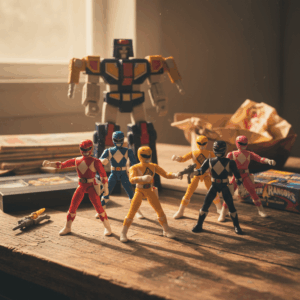
The initial wave of Mighty Morphin Power Rangers toys, manufactured by Bandai, captivated children globally. Their design philosophy blended Japanese Super Sentai aesthetics with American storytelling. Early figures included the core five Rangers, Tommy Oliver as the Green and White Ranger, and various villains. Collector interest in these original releases remains robust.
Historical Foundations and Market Dynamics
The initial success of Power Rangers toys was phenomenal. Production began to meet overwhelming demand during the early 1990s. Collectors often seek out the original 1993 releases due to their pioneering status. These first Bandai figures set the standard for subsequent lines. Their simple articulation and iconic designs hold significant nostalgic value.
Early Manufacturing and Collectibility
Early Power Rangers figures often featured limited articulation. However, their vibrant paint applications and close resemblance to the show's characters were paramount. The plastic quality of these figures was generally robust. This allowed for countless hours of play. Consequently, finding well-preserved examples can be challenging. Many loose figures exhibit paint wear or missing accessories. Collectors prioritize complete figures with all original weapons. The Megazord and Dragonzord toys, known for their combining capabilities, are particularly sought after. Their intricate designs showcased innovative toy engineering for the era. The Strong National Museum of Play provides further historical context on the franchise's rise.
Evolution of Design and Features
As the Power Rangers franchise evolved, so did its toy lines. Later iterations, such as Power Rangers Zeo and Power Rangers in Space, introduced improved articulation. Furthermore, more complex transforming mechanisms became standard. These advancements reflected broader trends in toy manufacturing. Manufacturers strived for greater playability and show accuracy. The detailing on later figures grew more intricate. This marked a significant departure from the simpler designs of the early 90s. Different scale figures also emerged, offering diverse collecting options. Thus, the variety of figures exploded across the years.
Market Intelligence and Collecting Strategies
The market for vintage Power Rangers toys has seen sustained interest. Nostalgia cycles drive demand, especially among those who grew up with the original series. Condition often dictates collectibility. Sealed examples, pristine in their original packaging, command significant values. However, even loose, well-cared-for figures hold appeal. Collectors frequently discuss the merits of various toy lines.
Current Market Dynamics
Observable trends show strong collector interest in the Mighty Morphin era. This era represents the genesis of the franchise for many. Limited edition releases and convention exclusives also attract considerable attention. For instance, chase figures with variant paint schemes can be highly coveted. The market appreciates items with verifiable provenance. Consequently, many collectors prefer to acquire items from established sources. The historical significance of certain toy lines contributes greatly to their appeal. Action Figure Authority (AFA) offers grading services, which can help in assessing authenticity and condition.
Collecting Recommendations
Building a strong Power Rangers collection requires patience and research. Focusing on specific eras or character sets can be a rewarding approach. Novice collectors should prioritize condition and completeness. Identifying genuine accessories is also crucial for maximizing value. Furthermore, understanding the various production runs can aid in verification. Some collectors enjoy "completing" entire seasons' worth of figures. Others prefer to focus on particular Zords or Ranger teams. Regardless, thorough research before any acquisition is always recommended. This prevents common collecting pitfalls.
Advanced Knowledge and Long-term Perspective
Authenticating vintage Power Rangers toys requires attention to detail. Identifying reproductions is a common concern for collectors. Manufacturers' marks and copyright stamps are essential verification points.
Authentication & Identification
Genuine Bandai toys typically feature clear copyright stamps on the figure's leg or back. These often indicate the year of manufacture and the country of origin. Reproductions might exhibit softer details, different plastic hues, or inaccurate stamps. Weight and material feel can also distinguish authentic pieces. Early Power Rangers Zords, for example, often contained die-cast metal parts. Later versions might be entirely plastic. Knowing these nuances helps in discerning genuine articles. Moreover, comparing an item to known authentic examples is a critical step. Researching original packaging variations can also assist in verification.
Collecting Strategy & Long-term Perspective
Collecting Power Rangers toys goes beyond mere acquisition. It involves preserving a piece of cultural history. Proper storage, away from direct sunlight and extreme temperatures, helps prevent degradation. Acid-free storage solutions are recommended for preserving original packaging. Building a meaningful collection often involves connecting with other enthusiasts. Sharing knowledge and experiences enriches the hobby. Finally, appreciating the craftsmanship and cultural impact of these toys remains central. The Power Rangers phenomenon continues to inspire new generations.
In summary, Power Rangers toys represent a dynamic and enduring segment of vintage collecting. Their evolution reflects changing manufacturing techniques and consumer preferences. Understanding their history, authentication methods, and market dynamics empowers collectors. This journey offers a tangible connection to cherished childhood memories. Building a thoughtful collection requires diligence, research, and a genuine passion for these iconic toys.