

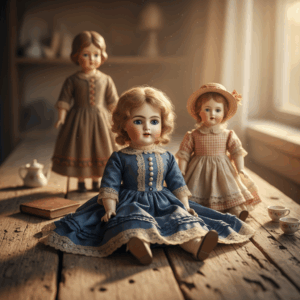
Unearthing Antique Dolls: History, Design, and Collectibility
Antique dolls offer a fascinating window into history. These treasured objects reflect changing societal values and technological advancements. Understanding the evolution of antique dolls helps collectors appreciate their unique charm. Their designs reveal much about childhood, fashion, and art throughout various eras. Furthermore, the market for these historical artifacts continues to evolve. Interest in early examples remains consistently strong. Dedicated collectors often seek specific periods or manufacturers.
Early Creations and Cultural Impact
Early dolls were often handmade. Materials included wood, rag, and even corn husks. These dolls served various purposes. For example, some were religious icons or teaching tools. The cultural significance of dolls grew over time. Dolls began to reflect prevailing fashion trends. This connection made them miniature historical documents. Their designs changed with each passing decade.
The Rise of Industrial Production
The 19th century brought significant changes. Mass production techniques emerged. German manufacturers, in particular, dominated the doll market. Makers like Kämmer & Reinhardt and Armand Marseille produced vast quantities. These companies utilized new materials and methods. Bisque, a type of unglazed porcelain, became very popular. Its lifelike appearance captivated consumers. This period marked a turning point for doll manufacturing. The Strong National Museum of Play offers further insights into this era.
Identifying Genuine Antique Dolls
Identifying genuine antique dolls requires careful observation. Collectors should examine materials closely. Bisque dolls often have a fine, matte texture. Reproductions might feel coarser or have a shiny glaze. Furthermore, inspect the construction. Early dolls used specific jointing methods. For instance, ball joints were common for bisque dolls.
Authenticity Marks and Signatures
Manufacturing marks are crucial for verification. These marks appear on the doll's head or torso. They often include the manufacturer's name or logo. There might also be mold numbers or patent dates. Understanding these markings helps date the doll. They also confirm its origin. Collectors often consult specialized guides. These resources detail specific marks and their significance.
Condition and Preservation
Condition greatly impacts collectibility. Original clothing and accessories add value. Dolls in excellent, unrestored condition are highly sought after. However, minor repairs are sometimes acceptable. Always prioritize originality when possible. Proper storage is essential for preservation. Acid-free materials protect delicate fabrics. The Doll Collectors of America provides extensive preservation advice.
Market Trends and Driving Factors
Collector interest in antique dolls remains robust. Rarity often drives demand. Dolls from specific, limited production runs are particularly prized. Moreover, historical significance plays a role. Examples tied to specific designers or events gain traction. Nostalgia, too, influences the market. Collectors often seek dolls reminiscent of their childhood. This emotional connection fuels much of the demand.
Collecting Recommendations
Beginners should focus on research. Learn about different eras and manufacturers. Start with well-documented types of dolls. This approach helps build foundational knowledge. Consider joining local doll clubs. These groups offer invaluable insights. Experienced collectors often share their expertise. Patience is a virtue in this hobby. Finding the right doll takes time.
Addressing Misconceptions
Some assume all old dolls are valuable. This is incorrect. Rarity, condition, and provenance are key factors. Common mass-produced dolls may have limited appeal. Conversely, a unique, well-preserved example can be very special. Provenance, or the doll's history of ownership, adds to its story. Documentation detailing a doll's past can increase its desirability.
Advanced Authentication Techniques
Advanced collectors delve into subtle details. Eye type, wig material, and paint finish are important. Early glass eyes had specific characteristics. Human hair or mohair wigs were common. Furthermore, the style of painting eyebrows and lips changed over time. These nuances help distinguish genuine examples from fakes. Careful comparison with known authentic pieces is vital.
Collecting Strategy & Long-term Perspective
Building a strong collection requires a clear strategy. Some collectors focus on a single manufacturer. Others might specialize in a specific material, like parian dolls. A focused approach often yields a more cohesive collection. Consider long-term preservation as well. Environmental factors like light and humidity can cause damage. Investing in proper display cases is a wise decision.
Thoughtful Acquisition
Acquiring antique dolls should be a thoughtful process. Always examine pieces thoroughly. Ask sellers detailed questions about condition and originality. Reputable dealers provide accurate descriptions. They also stand by their merchandise. This diligence protects the collector's investment. Furthermore, understanding the doll's historical context enriches the collecting experience.
Conclusion
Antique dolls are more than just toys. They are cultural artifacts, rich with history and artistic detail. Understanding their evolution, from early handmade pieces to sophisticated bisque creations, enhances their appeal. Collectors find great satisfaction in identifying genuine examples and preserving these delicate treasures. Through careful research and a passion for history, building a compelling collection of antique dolls becomes a deeply rewarding endeavor.