

Unearthing Game Boy History: Design, Impact, & Collectibility
The arrival of the Game Boy in 1989 revolutionized portable entertainment. This iconic device, launched by Nintendo, swiftly became a cultural phenomenon. Collectors today frequently seek out original Game Boy units, alongside their myriad games and accessories. Understanding the factors driving collector interest reveals insights into the vintage toy market. Furthermore, its groundbreaking design and pervasive cultural impact continue to captivate enthusiasts. This legendary handheld system remains a cornerstone of gaming history.
Design Evolution and Market Appeal
Early Innovations in Handheld Gaming
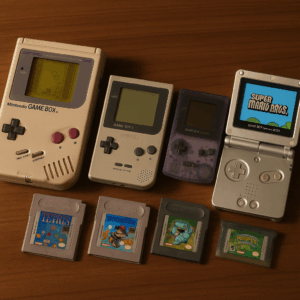
The original Game Boy debuted with a monochrome display, yet it offered unparalleled portability. Its robust design and impressive battery life contributed significantly to its widespread adoption. Early models often show signs of extensive use, testament to their popularity. These early units now hold a special place for collectors. They represent the foundational era of portable gaming. Thus, pristine examples naturally attract considerable interest within the collector community.
The Rise of Color and Advanced Features
Subsequent iterations, such as the Game Boy Color and Game Boy Advance, introduced significant technological advancements. These models featured color screens and enhanced processing power. Such upgrades broadened the Game Boy's appeal considerably. The Game Boy Advance SP further refined the design with a clamshell form factor and a backlit screen. Collectors often differentiate between these generations, recognizing the unique historical significance of each. The evolution of these designs reflects rapid changes in consumer expectations and technological capabilities. Detailed information on Nintendo's product history can be found on their official corporate archives. Nintendo History
Identifying Authentic Game Boys
Verifying the authenticity of vintage Game Boy units involves careful examination. Collectors should inspect manufacturer logos, copyright stamps, and serial numbers. These markings provide crucial indicators of legitimacy. Furthermore, the plastic casing material and button feel often reveal if a unit is genuine. Reproductions, while increasingly common, usually exhibit slight variations in these details. They might have different plastic textures or less crisp molding. Collectors frequently compare potential purchases with known authentic examples.
Cultural Impact and Enduring Collectibility
A Generation's Companion
The Game Boy transcended its role as a mere gaming device. It became a social catalyst, a shared experience for millions of children and adults alike. Its simplicity allowed for immediate engagement. This deep emotional connection fuels much of the current collecting fervor. Nostalgia cycles drive demand as collectors seek tangible links to their childhood memories. Consequently, units in exceptional condition—especially those complete with original packaging—are highly sought after. These perfectly preserved items evoke the most powerful sentimental responses.
Market Dynamics for Vintage Handhelds
The market for vintage Game Boy systems shows consistent activity. Rare variants, promotional editions, and specific region-locked models often generate particular interest. The condition of the unit plays a pivotal role in its perceived value. Sealed examples, remaining untouched in their original packaging, consistently command attention. Conversely, heavily played-with units still hold appeal for those prioritizing functional enjoyment over display. Understanding these factors helps collectors make informed decisions. Observing these trends illustrates the interplay of rarity, condition, and historical significance.
Preservation and Collecting Recommendations
Proper preservation is paramount for maintaining the value of any vintage Game Boy. Collectors should store units in cool, dry environments, away from direct sunlight. Batteries should always be removed from devices not in use. Additionally, cleaning practices should be gentle, utilizing appropriate materials for vintage plastics. Video Game History Foundation offers valuable insights into the preservation of gaming artifacts. Building a robust collection requires patience and a deep appreciation for the hobby's nuances.
Advanced Authentication & Long-Term Strategy
Discerning Variants and Rarities
The Game Boy ecosystem includes numerous regional releases and limited-edition variants. For instance, specific colorways or branded collaborations often indicate increased rarity. Collectors meticulously research these differences. Packaging variations, special bundled games, and unique hardware features can also signify hard-to-find items. Therefore, thorough documentation and detailed photography are essential when evaluating such pieces. Collectors frequently consult online databases and community forums for specific variant details.
Strategic Collecting and Future Outlook
A methodical collecting strategy often yields the most satisfying results. Some collectors focus on completing full sets of a specific Game Boy model. Others prioritize acquiring only the rarest or most historically significant units. The long-term perspective suggests that well-preserved, authentic pieces will continue to appreciate in historical relevance. Consequently, investing time in research and careful acquisition proves beneficial. Moreover, understanding the original manufacturing run numbers for various models can provide insights into their inherent rarity.
The Enduring Legacy of the Game Boy
The Game Boy represents a pivotal moment in consumer electronics and toy manufacturing. Its simple yet effective design captured the imagination of a generation. Today, it stands as a testament to Nintendo's innovative spirit. Collectors who focus on condition, rarity, and historical accuracy will discover immense satisfaction. The journey of collecting these iconic handhelds offers both intellectual reward and a tangible connection to gaming's golden age. Furthermore, embracing informed collecting practices ensures the preservation of these remarkable pieces for future generations.