

Decoding Sega's Legacy: Console History & Impact
The Sega Genesis, a cornerstone of 16-bit gaming, etched an indelible mark on console history. Its innovative design and aggressive marketing challenged established rivals, consequently reshaping the video game industry. Understanding the legacy of Sega consoles offers invaluable insights for collectors and enthusiasts alike. These systems represent a pivotal era in electronic entertainment. Furthermore, they showcase remarkable advancements in home computing. Collectors often seek out well-preserved examples. Consequently, the demand for classic Sega hardware remains consistently strong.
The Genesis of a Gaming Giant
The Master System's Foundation
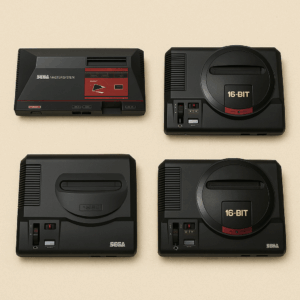
Sega initially entered the console market with the Master System in 1985. This console often receives less attention than its successor. Nevertheless, it laid critical groundwork. It featured strong arcade ports and innovative accessories. The Master System introduced many to Sega's unique game design philosophies. Early models exhibit distinct design choices. Moreover, their rarity has increased over time. Collectors frequently seek complete-in-box examples. Identifying genuine pieces requires checking production stamps. For instance, differing regional variations also exist, adding complexity. These early systems shaped future Sega console developments.
The Rise of the Genesis Era
The Sega Genesis launched in North America in 1989. It swiftly captured the imagination of gamers. Its 16-bit processing power offered a significant leap forward. Games like Sonic the Hedgehog defined the console's identity. This era saw intense console wars. Consequently, Sega pushed boundaries in advertising and technology. The console's sleek black design became iconic. Collectors find pristine examples highly desirable. Examining the plastic quality and label condition helps verify authenticity. Furthermore, original packaging greatly enhances value. Historical insights into the console war reveal much about this period.
Design Evolution and Regional Variations
Sega released several iterations of the Genesis. These included the Genesis Model 1 and Model 2. Each model possessed subtle design differences. The Model 1 is often preferred for its robust audio output. Meanwhile, the Model 2 offered a more compact form factor. Japanese versions, known as the Mega Drive, show distinct aesthetic variations. European Mega Drive units also differ slightly. Understanding these regional differences is crucial for collectors. Manufacturers often changed internal components. Therefore, careful inspection is essential. These variations reflect evolving production methods.
Market Dynamics and Collecting Strategies
Current Market Dynamics
Collector interest in Sega consoles has grown significantly. Nostalgia cycles drive much of this demand. Many adult collectors seek to reclaim childhood memories. Sealed examples consequently command premium values. Loose consoles with original components also attract strong interest. The market shows a consistent appreciation for well-maintained hardware. Furthermore, rare regional variants often achieve higher collectibility. Condition remains a primary driver of value. Minor cosmetic flaws can significantly impact desirability. Therefore, careful storage is paramount.
Collecting Recommendations
Building a Sega console collection requires strategic patience. Focusing on condition over sheer quantity is wise. Collectors should prioritize complete systems with original boxes and manuals. Authentication techniques involve checking serial numbers. Molded plastic details also provide clues. Be wary of reproductions, especially for boxed sets. Reproductions often use lower-quality materials. Their printing may also appear inconsistent. Furthermore, original accessories like the Sega CD or 32X add significant depth to a collection. Acquiring these add-ons expands gameplay possibilities.
Preservation and Care
Preserving vintage Sega consoles demands careful handling. Always store systems in cool, dry environments. Avoid direct sunlight which can cause discoloration. Furthermore, clean consoles using appropriate, non-abrasive materials. Regularly check for signs of component degradation. Capacitors, for instance, can fail over time. Proper ventilation during use extends the lifespan of internal electronics. Ensuring a clean power supply also prevents damage. These simple steps protect valuable investments.
Advanced Knowledge for Sega Enthusiasts
Authentication & Identification
Identifying genuine Sega consoles goes beyond surface appearance. Examine copyright stamps and manufacturing marks. These labels often reveal production dates and regions. Look for specific plastic injection molding marks. These can indicate original factory production. Some consoles also have internal revisions. Serial numbers provide unique identifiers. Understanding these subtle details helps authenticate pieces. Furthermore, researching common reproduction methods is helpful. For instance, reproduction boxes often lack the original gloss finish. Collector resources for Sega authentication are invaluable tools.
Variant Identification and Rarity Factors
Key differences exist across Sega console variants. These include different motherboard revisions. Some early Genesis Model 1 units possess superior audio chips. These specific variants are highly sought after. Limited edition bundles also emerge as rare finds. These often include special edition games or accessories. Promotional consoles, though scarce, are exceptionally collectible. Rarity is influenced by production numbers. Survival rates also play a significant role. Consoles produced in smaller quantities generally command more interest. Consequently, comprehensive research before acquisition is always recommended.
Building a Curated Collection
A thoughtful Sega collection reflects passion and historical understanding. Rather than simply accumulating items, curate a collection with purpose. Focus on a specific console generation or region. Documenting each acquisition adds to its provenance. This practice enhances long-term value. Moreover, connect with other collectors to share knowledge. The community offers invaluable insights. Building a strong collection requires research, patience, and a deep appreciation for gaming history. Ultimately, these consoles represent more than just plastic and circuit boards. They are tangible links to a vibrant era of entertainment.
Conclusion
The legacy of Sega consoles illustrates a remarkable chapter in gaming history. From the foundational Master System to the dominant Genesis, these systems left an undeniable mark. Collectors value their historical significance and innovative designs. Understanding market trends and authentication techniques is crucial. Furthermore, careful preservation ensures these pieces endure. Building a curated collection offers a tangible connection to Sega's pioneering spirit. Continue exploring the rich history of video game consoles. This knowledge enriches any collector's journey.