
Uncovering Smurfs Toy History: Design, Impact, & Collectibility
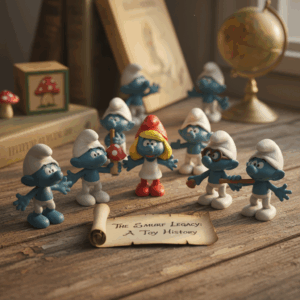
The enchanting world of the Smurfs, first introduced in 1958 by Belgian cartoonist Peyo, swiftly captivated audiences. These tiny blue forest dwellers transitioned from comic strips to television screens, then profoundly influenced the toy industry. Smurfs toys represent a significant chapter in vintage toy collecting. Understanding their intricate history, evolving designs, and enduring cultural impact is crucial for collectors. These figures emerged during a pivotal moment in toy manufacturing, thus mirroring shifts in children's entertainment and collectible markets worldwide.
The Genesis of Smurfs Figures
The first Smurfs figurines materialized in 1965, meticulously crafted by Schleich in Germany. These initial hand-painted PVC figures established the recognizable scale and aesthetic. Furthermore, early designs closely mirrored Peyo's original comic book illustrations, ensuring faithful representations. Production methods from the era enabled detailed small-scale figures. Collectors often seek out these earliest Schleich releases, identifying them through specific copyright stamps and paint applications. The initial range was somewhat limited, yet popularity grew steadily.
Evolution of Design and Production
Smurfs toy production truly expanded in the 1970s and 1980s. Manufacturers introduced a vast array of poses, accessories, and themed sets. These additions reflected the Smurfs' burgeoning global presence, especially after the animated series debuted in 1981. Manufacturing techniques evolved significantly during this period, allowing for more intricate molds and consistent paint quality. For instance, subsequent waves of figures often depicted Smurfs engaged in various activities, further aligning with narrative play patterns. Learn more about Schleich's history here.
Identifying Authentic Smurfs Collectibles
Identifying genuine Smurfs figures requires careful examination. Most authentic figures, particularly Schleich productions, feature clear copyright stamps on the underside of their feet. These marks typically include "Peyo," "Schleich," and the year of manufacture. Reproductions often differ in materials or mold details, lacking the sharpness or specific markings of original pieces. Collectors should also note the material consistency; genuine PVC figures have a distinct feel and weight. Anomalies in coloring or finish can sometimes indicate non-original pieces.
Market Trends and Collector Interest
Collector interest has grown significantly for vintage Smurfs figures over recent decades. This trend is largely driven by nostalgia cycles, as former children seek to reclaim pieces of their past. Scarce variants and figures produced for specific regions or promotions command particular attention. The market shows a strong appreciation for figures in excellent condition, with original paint intact. Sealed examples, although rare, tend to command premium values due to their pristine state. Explore a comprehensive Smurfs figure guide for detailed identification resources.
Factors Influencing Collectibility
Several key factors determine the collectibility of Smurfs figures. Rarity is paramount; figures produced in small quantities or for limited events are highly prized. Condition also plays a vital role; minimal paint wear and no physical damage are desirable. Historical significance further elevates certain pieces, such as early releases or those associated with major cultural milestones. Complete sets, including original packaging and accessories, also enhance appeal to many collectors. Understanding these aspects helps collectors make informed decisions.
Preservation and Display
Proper preservation is essential for maintaining the value and integrity of a Smurfs collection. Figures should be stored away from direct sunlight, which can cause fading and material degradation. Furthermore, stable temperature and humidity levels help prevent plasticizers from leaching out, which can make figures sticky or brittle over time. Displaying figures in dust-free environments, such as enclosed cabinets, protects them from physical damage and environmental contaminants. Thoughtful care ensures these timeless treasures endure for future generations.
The Lasting Impact of Smurfs
The Smurfs have left an indelible mark on popular culture and the toy industry. Their simple, heartwarming narratives translated perfectly into tangible playthings, inspiring imaginative play for millions. These figures reflect a period when character licensing was expanding rapidly, paving the way for countless other toy lines. The enduring popularity of Smurfs figures attests to their timeless charm and widespread cultural recognition. These small blue characters represent an iconic connection to childhood for many across the globe, transcending generations. Building a strong collection requires research, patience, and passion for the hobby.