
Unraveling Spider-Man Toys: Design, Impact, and Legacy
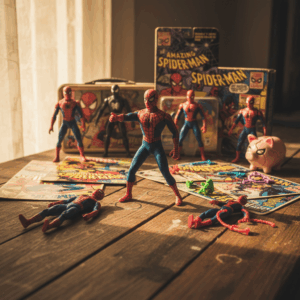
Spider-Man toys hold a significant place in the pantheon of collectible vintage items. These iconic pieces not only celebrate a beloved character but also chronicle shifts in toy manufacturing and cultural consumption. Understanding these factors helps collectors navigate a vibrant, dynamic market. Furthermore, interest in these collectibles stems from deep-seated nostalgia, connecting enthusiasts to cherished childhood memories. This article will explore the evolution of Spider-Man toy design, their lasting cultural impact, and the enduring legacy they continue to build for collectors worldwide. The journey of these toys reflects decades of innovation and fandom.
Early Iterations and Design Evolution
The initial Spider-Man figures often featured simpler articulation. Early manufacturing focused on capturing the character's iconic appearance. Mego Corporation produced some of the earliest widely available figures in the 1970s. These figures represented a significant step in superhero toy production. Their design laid groundwork for future action figures. Furthermore, the materials used, often a combination of plastic and cloth, were typical for the era. More information on Mego's impact on action figures can be found here.
The Rise of Articulation and Detail
As technology advanced, Spider-Man toys began exhibiting greater articulation. Toy companies like Toy Biz pioneered many innovations in the 1990s. These figures allowed for more dynamic posing. Collectors often cite this period as a golden age for superhero action figures. The increased detail on sculptures also became a hallmark. Paint applications grew more intricate, capturing the comic book aesthetic. Consequently, the play value of these toys significantly increased.
Market Trends and Collectibility Factors
Collector interest has grown significantly for vintage Spider-Man toys from earlier decades. Rarer pieces, particularly those from the 1970s and 1980s, tend to be highly sought after. Factors influencing a toy's collectibility include its condition, completeness, and scarcity. Sealed examples, for instance, often command premium consideration. This premium reflects their untouched state and verifiable authenticity. Nostalgia cycles consistently drive demand as collectors seek to recapture fragments of their childhood. Identifying genuine pieces requires careful evaluation of manufacturing marks.
Authentication and Identification Techniques
Authenticating vintage Spider-Man toys demands attention to detail. Copyright stamps and manufacturing marks provide crucial verification. Collectors should examine the plastic quality and mold details. Reproductions often differ in material texture or subtle sculpt nuances. Understanding these differences protects against acquiring non-authentic items. Furthermore, comparing potential acquisitions with reputable databases and known examples helps ensure accuracy.
Current Market Dynamics and Driving Forces
The market for vintage Spider-Man toys remains robust. Demand is consistently fueled by new cinematic appearances and comic storylines. These new media often rekindle interest in older toy lines. The market frequently sees waves of renewed enthusiasm. Condition remains a paramount factor in collectibility. Items with minimal wear and complete accessories are generally more valued. The historical significance of a specific toy line also plays a key role. Investigate the history of toy manufacturing for broader context.
Collecting Recommendations and Strategies
Building a strong Spider-Man collection requires strategic planning. Research is paramount before making acquisitions. Collectors should prioritize pieces in the best possible condition they can acquire. Focusing on specific eras or toy lines can help. For instance, some collectors specialize in Mego figures. Others concentrate on early Toy Biz releases. Persistence and patience are vital attributes for successful collecting. Connecting with other enthusiasts can also provide valuable insights and opportunities.
Advanced Authentication and Variant Identification
Detailed inspection of paint applications and accessory moldings is essential. Many Spider-Man lines feature numerous variants. These variations might include subtle costume changes or different head sculpts. Identifying these variants often requires specialized knowledge. Online communities and reference books are invaluable tools. Knowing common factory errors or production changes also aids authentication. Furthermore, understanding the provenance, or history of ownership, can also add to an item's verifiable authenticity.
Collecting Strategy and Long-term Perspective
A thoughtful collecting strategy extends beyond mere acquisition. Proper preservation safeguards the integrity of Spider-Man toys. Acid-free storage materials help prevent degradation. Display in controlled environments, away from direct sunlight, preserves colors and materials. Completeness, along with superb condition, contributes significantly to a collection's long-term value. Building a meaningful Spider-Man collection reflects a passion for the character. It also represents a tangible connection to pop culture history.
The enduring popularity of Spider-Man toys reflects their multifaceted appeal. From early, simpler figures to highly articulated modern representations, these collectibles tell a vibrant story. Collectors benefit from understanding design evolution, authentication methods, and market dynamics. Continued research and community engagement help collectors build truly impressive Spider-Man collections. Embrace the journey of discovery, and let the legacy of these iconic toys enrich your collecting passion.