
Unlocking Value: Vintage Toy Market Trends & Investment Insights
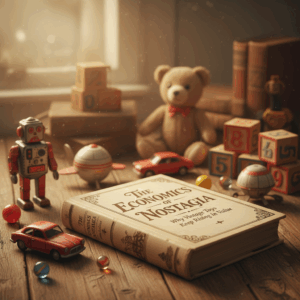
The market for vintage toys continues its upward trajectory. Collector interest in these cherished relics has grown significantly over recent decades. This article delves into observable trends, market dynamics, and essential insights for understanding the value of vintage toys. Understanding these factors helps collectors identify authentic pieces and build meaningful collections. Furthermore, market insights illuminate why certain categories or specific items garner more attention than others. The economics of nostalgia often drive demand as enthusiasts seek tangible links to their past. This comprehensive guide will equip readers with valuable knowledge about market trends and investment insights.
Professional Insights into Vintage Toy Collectibility
Market Trends and Factors
Collector interest has surged for various classic toy lines. For instance, Star Wars action figures from the original Kenner line are highly sought. These pieces emerged during a pivotal moment in toy manufacturing, coinciding with a cultural phenomenon. Similarly, Hot Wheels Redline cars, produced between 1968 and 1977, exhibit strong demand. Rarity, condition, and historical significance are primary drivers of value. Sealed examples tend to command premium values due to their pristine, untouched state. Furthermore, pieces tied to limited production runs or regional releases often become highly coveted.
The appeal of GI Joe figures from the 1960s, particularly those complete with original accessories, remains strong. Understanding these preferences helps collectors focus their efforts. The Strong National Museum of Play offers a wealth of historical information about these iconic toys. The original packaging also plays a crucial role in overall collectibility. Pieces with intact, well-preserved packaging often tell a more complete story of their journey.
Authentication and Collecting Strategies
Identifying genuine pieces requires checking key indicators. Copyright stamps and manufacturing marks help verify authenticity. For example, knowing the correct markings on an early Barbie doll can differentiate it from later reproductions. Furthermore, materials themselves offer clues; vintage plastics often have a distinct feel and appearance. Reproductions often differ in materials or mold details, making careful observation vital. Collectors frequently examine screw types, paint applications, and assembly methods.
Collectors often prioritize examples with complete original accessories. Missing pieces can significantly impact an item's desirability. Building a strong collection therefore requires research, patience, and passion for the hobby itself. Condition remains paramount, with unplayed examples holding the most appeal. However, even well-loved pieces can attract interest if they possess historical significance or extreme rarity.
Market Intelligence and Strategic Accumulation
Current Market Dynamics
Nostalgia cycles undoubtedly drive demand for vintage toys. As generations grow older, they often seek to reconnect with their childhood memories. This ongoing cycle creates consistent interest in classic items. The market shows a strong preference for items from the 1970s and 1980s, reflecting current demographics. Furthermore, toys associated with groundbreaking movies or television shows tend to maintain their allure. The cultural impact of these properties solidifies their collectible status.
Specific market dynamics indicate a preference for "complete in box" or "mint on card" items. However, loose figures in excellent condition also find devoted collectors. Understanding these nuances helps in acquiring items strategically. Hakes Auctions provides valuable insights into realized values for various vintage collectibles. Overall market activity suggests sustained interest across multiple generations of collectors.
Collecting Recommendations
Collectors should consider several factors when acquiring vintage toys. Preservation of packaging is undeniably important. Protecting toys from sunlight, dust, and extreme temperatures helps maintain their condition. Understanding grading standards is also crucial; higher grading standards correlate with better preservation and rarity. Professional grading services can provide objective assessments of condition.
Furthermore, researching a toy's production history offers valuable context. Knowing the relative rarity of a specific variant or production run informs collecting decisions. While many collectors focus on completeness, others prioritize condition and overall rarity. Building a diverse collection can mitigate risks and enhance long-term enjoyment. Always verify provenance when possible, as it adds a layer of authenticity and story to an item.
Advanced Knowledge for Vintage Toy Aficionados
Authentication and Variant Identification
Detailed authentication methods extend beyond simple copyright dates. Examining the specific type of plastic used, mold lines, and paint application techniques can confirm originality. For instance, early LEGO bricks had subtle differences in mold injection points compared to modern ones. Experienced collectors develop a keen eye for these subtle distinctions. Awareness of specific factory flaws or unique production variations can also help identify rare variants.
Variant identification is another nuanced aspect. Often, a toy produced in different regions or at different times will have minor variations. These could be differences in paint colors, accessory types, or even packaging text. These subtle changes can significantly impact an item's rarity and desirability. A comprehensive understanding of a toy line's production iterations is therefore essential.
Collecting Strategy and Long-term Perspective
Building a thoughtful collection requires a long-term perspective. Rather than chasing every item, focus on areas of genuine interest. This approach fosters a deeper appreciation for the vintage toys themselves. Documenting acquisitions with photos and detailed notes can enhance the collecting experience. Proper storage solutions, such as archival-safe bags and display cases, protect items from environmental degradation.
Condition and provenance both play important roles in collectibility. A well-documented history can add significant value to a piece, especially if it belonged to a notable individual or was part of a famous collection. Building a strong collection ultimately requires research, patience, and a deep-seated passion for the hobby. The journey of discovery is often as rewarding as the acquisitions themselves.
Conclusion: Informed Collecting of Vintage Treasures
The world of vintage toys offers endless fascination and the potential for long-term enjoyment. Observable market trends highlight the enduring appeal of these nostalgic pieces. Understanding factors like rarity, condition, and historical significance is paramount for collectors. Furthermore, meticulous authentication and knowledge of production variants are critical skills. Approaching the hobby with research, patience, and a genuine passion for the toys themselves will yield the most rewarding experiences. Informed collecting ensures the preservation and appreciation of these miniature cultural artifacts for generations to come.